From beginner to job-ready developer: a realistic 6-month roadmap
What to learn, in what order, and how to build a portfolio that gets you hired, based on what actually works for our Full Stack graduates.
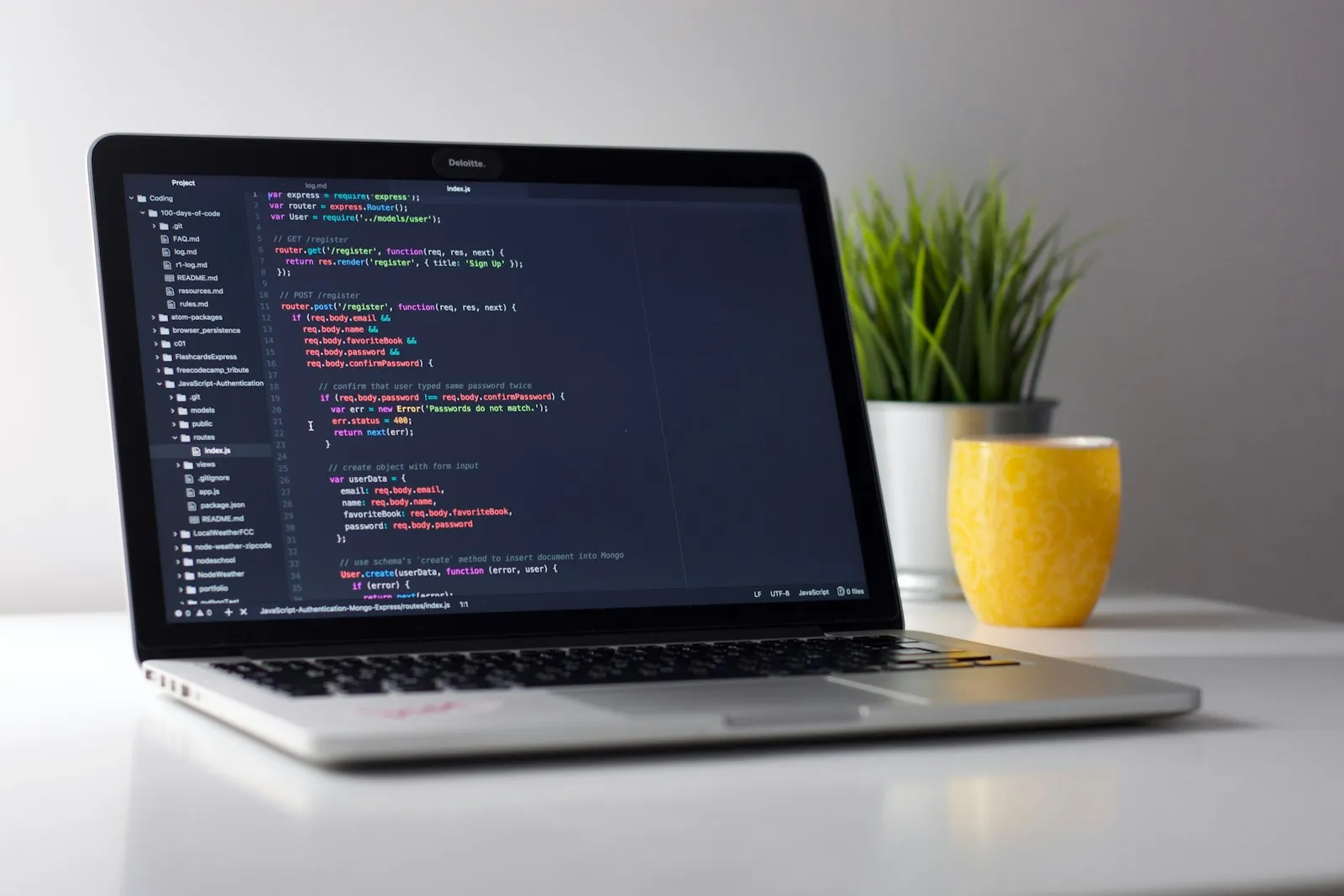
Six months is enough time to go from a complete beginner to landing your first developer role, but only if you spend that time on the right things in the right order. Here is the path we have watched work, again and again, for our Full Stack graduates.
The biggest mistake new learners make is collecting tutorials. You finish ten of them and still cannot build anything on your own. The fix is to learn a little, then build a lot. Every phase below is weighted heavily toward building.
Months 1 to 2: the fundamentals
Start with the web platform itself, not a framework. Get genuinely comfortable with HTML structure, CSS layout (flexbox and grid), and the core of JavaScript: variables, functions, arrays, objects, loops and the DOM. Build small, finished things rather than half-finished big ones.
- A responsive landing page, hand-built, no templates.
- A to-do app that saves to local storage.
- A small site that fetches and displays data from a public API.
Months 3 to 4: a real stack
Now pick one stack and go deep. We teach MERN: MongoDB, Express, React and Node. Learn React properly (components, state, effects, routing), then connect it to a Node and Express backend with a real database. The goal is to understand how a request travels from a button click to the database and back.
Depth in one stack beats a shallow tour of five. Employers hire for the ability to ship, not for a list of logos on your CV.
Months 5 to 6: portfolio and the job hunt
Build two or three projects you would be proud to demo: something with authentication, something that talks to an external API, and one idea that is genuinely your own. Write a short, honest README for each, deploy them so they have a live link, and pin them on your GitHub.
In parallel, tidy up your LinkedIn, write a one-page CV that points at your live projects, and apply steadily. A free demo class, a clear portfolio and consistent applications will get you interviews far faster than waiting until you feel ready.